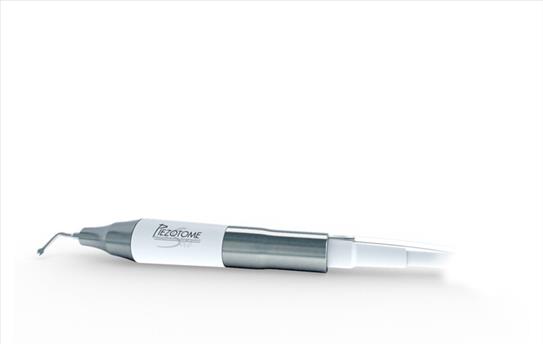
- Piezo Rhinoplasty
-
by Adri Hoxha
Rhinoplasty has evolved significantly over the past decade, and one of the most advanced techniques available today is Piezo rhinoplasty, also known as ultrasonic rhinoplasty. By using state-of-the-art ultrasonic technology instead of traditional bone-breaking instruments, surgeons can reshape the nasal bones with exceptional precision while minimizing trauma to the surrounding tissues.
If you’re considering Piezo rhinoplasty in Tirana, understanding how the procedure works, its benefits, and what to expect during recovery can help you make an informed decision.
What Is Piezo Rhinoplasty?
Piezo rhinoplasty is an advanced surgical technique that uses ultrasonic vibrations to precisely sculpt and reshape the nasal bones. Unlike conventional rhinoplasty, which often involves chisels and hammers to fracture the bone, the Piezo device selectively acts only on bone while preserving nearby soft tissues, blood vessels, cartilage, and nerves.
This greater level of precision allows surgeons to create smoother, more predictable results while reducing unnecessary tissue trauma.
Benefits of Piezo Rhinoplasty
Greater Precision
The ultrasonic device enables highly controlled bone reshaping, allowing surgeons to make delicate adjustments that may be difficult with traditional techniques. This is particularly beneficial when refining the nasal bridge, correcting asymmetries, or reducing a dorsal hump.
Less Bruising and Swelling
Because surrounding soft tissues are largely preserved, many patients experience significantly less bruising and swelling compared to conventional rhinoplasty. While every patient’s healing process is unique, this often leads to a more comfortable recovery.
Improved Recovery Experience
Although rhinoplasty remains a surgical procedure requiring adequate healing time, many patients undergoing Piezo rhinoplasty report a smoother postoperative recovery with less discomfort during the initial weeks.
More Predictable Results
The precision of ultrasonic bone sculpting allows for smoother bone contours and may reduce the likelihood of irregularities after healing, contributing to natural-looking outcomes.
Who Is a Good Candidate?
Piezo rhinoplasty may be suitable for patients who wish to:
- Reduce a nasal hump
- Straighten a crooked nose
- Refine the nasal bridge
- Improve facial harmony
- Correct breathing problems when combined with septoplasty
- Undergo primary or selected revision rhinoplasty
Your surgeon will determine whether Piezo technology is appropriate based on your nasal anatomy and surgical goals. It’s important to note that the Piezo device is designed for bone work; cartilage reshaping is still performed using conventional rhinoplasty techniques when necessary.
What Happens During the Procedure?
Piezo rhinoplasty is performed under general anesthesia.
Depending on your needs, the surgeon may use either an open or closed approach. Once the nasal structures are exposed, the ultrasonic device is used to carefully sculpt the nasal bones while preserving the surrounding soft tissues. Cartilage modifications, if required, are completed using established rhinoplasty techniques.
The surgery generally takes between 2 and 4 hours, depending on the complexity of the case.
Recovery After Piezo Rhinoplasty
Every patient heals differently, but a typical recovery timeline includes:
- First week: A nasal splint is worn, with swelling and mild discomfort gradually improving.
- 2–3 weeks: Most visible bruising has resolved, and patients often feel comfortable returning to social activities.
- 1–3 months: Swelling continues to decrease, and the nose begins to take on its refined shape.
- Up to 12 months: Final results gradually become visible as the tissues fully settle.
Following your surgeon’s postoperative instructions is essential to achieving the best possible outcome.
Why Choose Tirana for Piezo Rhinoplasty?
Tirana has become an increasingly popular destination for cosmetic surgery, offering modern medical facilities, experienced plastic surgeons, and personalized patient care. Many international patients choose Albania for its combination of high-quality surgical expertise, shorter waiting times, and competitive pricing compared to many Western European countries.
Frequently Asked Questions
Is Piezo rhinoplasty less painful?
Many patients report less postoperative discomfort due to reduced trauma to the surrounding tissues. However, rhinoplasty remains a surgical procedure, and some swelling, congestion, and discomfort during recovery are normal.
Does Piezo rhinoplasty leave scars?
If performed using a closed approach, there are no visible external scars. With an open approach, the small incision on the columella typically heals very well and becomes barely noticeable over time.
Is Piezo rhinoplasty permanent?
Yes. The structural changes made to the nasal bones and cartilage are permanent, although the nose will continue to mature as healing progresses over the course of a year.
Can Piezo rhinoplasty improve breathing?
Yes. When medically indicated, functional corrections such as septoplasty or turbinate reduction can be performed during the same operation to improve nasal airflow.
Schedule Your Consultation
The best rhinoplasty is one that complements your facial features while preserving natural function. A comprehensive consultation with an experienced plastic surgeon allows for a personalized treatment plan based on your anatomy, aesthetic goals, and breathing concerns.
Whether you’re seeking subtle refinement or a complete transformation, Piezo rhinoplasty offers a modern, precise, and tissue-preserving approach to nasal surgery, helping patients achieve natural-looking, long-lasting results.